AR-VR Technologies Can Democratise Access to Cultural Heritage
 Vedang Jain
In an increasingly digital world, Augmented Reality (AR) and Virtual Reality (VR) technologies are not just reshaping entertainment or education—they’re opening new doors to the past. Cultural heritage, once confined to physical museums, historical sites, and rare manuscripts, is now becoming more accessible than ever before. AR-VR technologies are the keys to this transformation.
Breaking Down Barriers
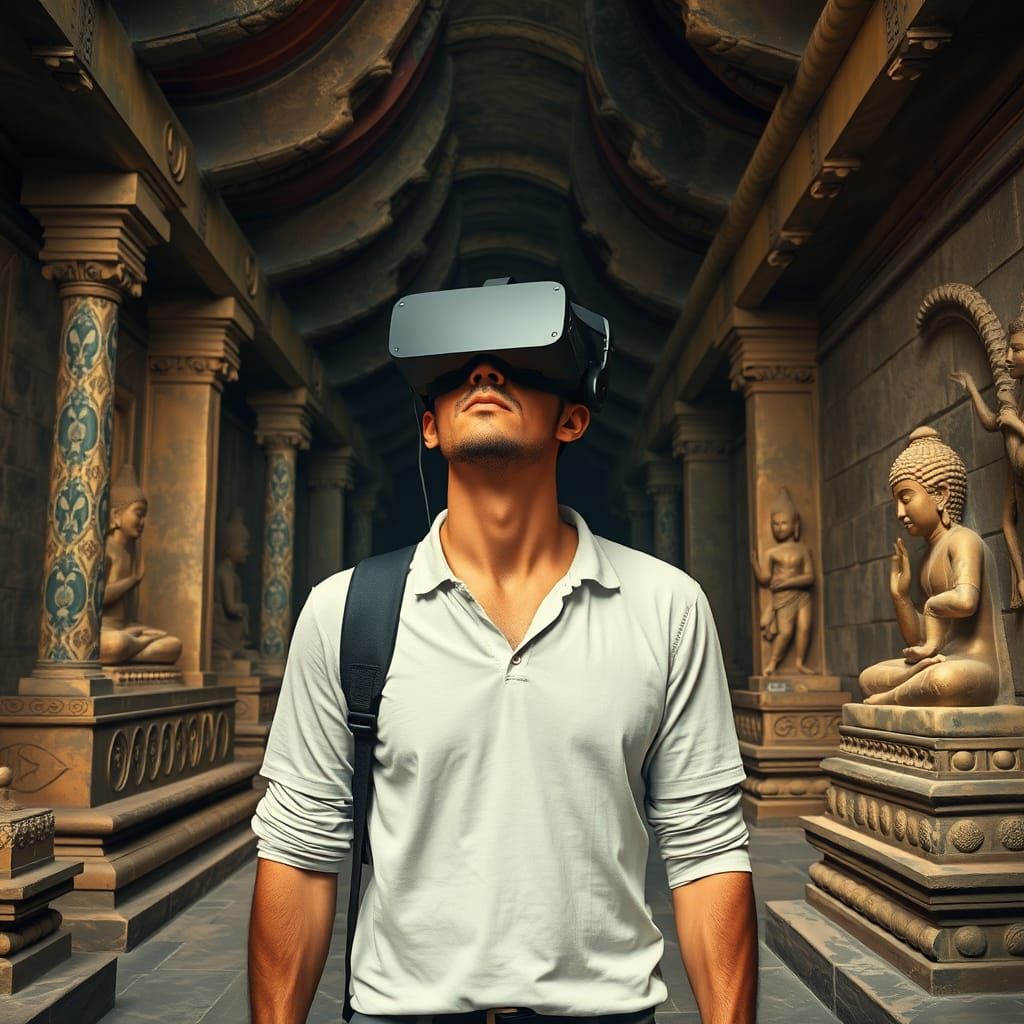
Traditionally, access to cultural heritage has been limited by geography, economics, and physical constraints. Not everyone can travel to the pyramids of Egypt, walk through the Vatican, or study ancient manuscripts held in European libraries. AR and VR break these barriers by creating immersive, digital experiences that can be accessed from anywhere in the world.
Imagine walking through the ruins of Pompeii in 3D, watching them transform back into their original splendor with a click. Or examining the intricate artwork of the Ajanta Caves while sitting in a classroom in rural India. With AR and VR, such experiences are no longer a privilege of the few—they can be shared by all.
Preserving While Sharing
Many cultural sites and artefacts are too fragile or endangered to allow widespread physical interaction. Digital replicas and simulations allow people to engage with these treasures without risking their deterioration. VR can simulate environments that are restricted or even lost, ensuring future generations can still learn from them. For example, UNESCO World Heritage Sites under threat from climate change or conflict can be digitally preserved and explored virtually. This not only safeguards history but also raises global awareness of the need to protect it.
Revolutionising Education

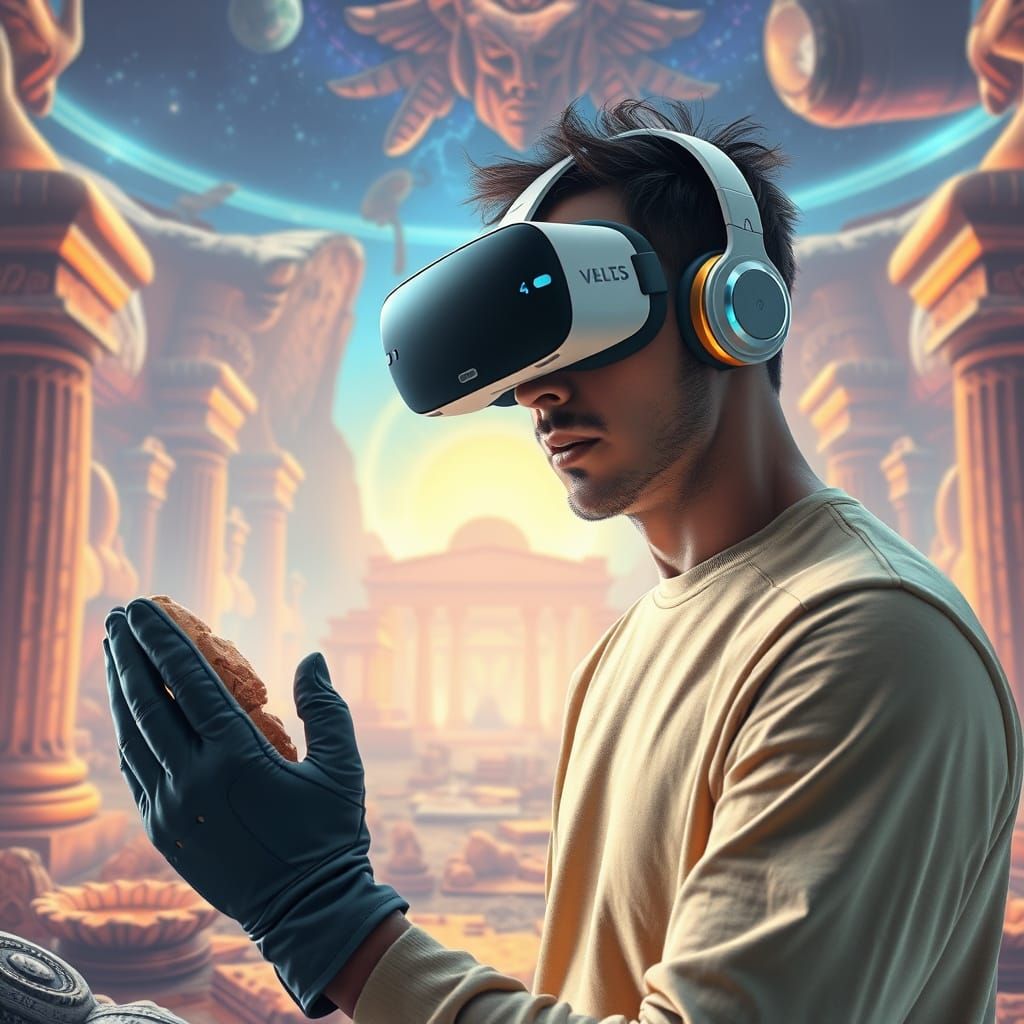
AR-VR technologies also bring cultural education to life. Instead of reading about the Indus Valley Civilization in a textbook, students can walk through its cities, interact with objects, and gain a deeper understanding of how ancient people lived. The result? Learning becomes more engaging, inclusive, and effective.Museums and institutions are adopting AR apps that overlay additional information, interactive media, or reconstructions onto artefacts. VR museums and heritage games are being developed for students who may not have access to physical cultural institutions.
Inclusion Through Innovation
AR-VR experiences can be translated, narrated, and adapted for people of different languages and abilities. A visually impaired person can experience an ancient sculpture through audio-rich 3D narration, while a hearing-impaired student can explore a historical site through interactive subtitles and sign language avatars. This technology opens new doors for indigenous communities too, allowing them to document and share their own cultural stories and spaces—on their terms, in their voices.
The Path Forward
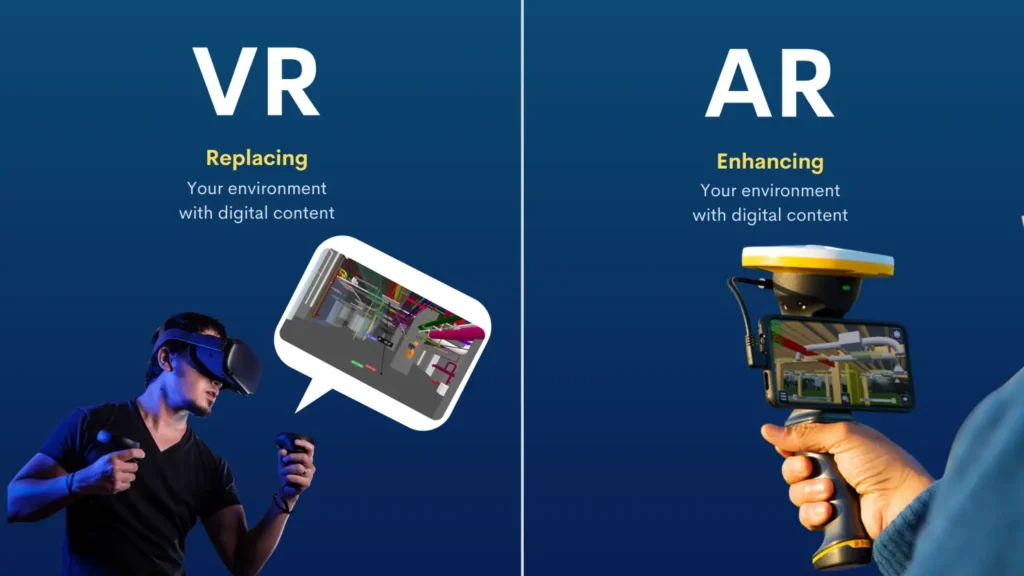
As AR and VR technology becomes more affordable and widespread, its role in democratising cultural heritage will only grow. Partnerships between tech developers, cultural institutions, and educators can ensure that the digital future is not just about innovation—but also about inclusion. In the end, AR and VR are not replacing the real world—they’re enhancing it. By merging history with immersive tech, we create a future where cultural knowledge is not gated behind borders or barriers, but shared openly with all of humanity.