
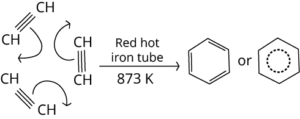
Investigating Benzene Levels in Indoor Environments
Objective: The objective of this experiment is to explore and understand the factors that influence benzene levels in indoor environments, using a small benzene sensor remotely connected to a PC with display software. The experiment aims to raise awareness of potential sources of benzene and promote discussions on ways to reduce exposure. Materials: Experimental Setup: […]
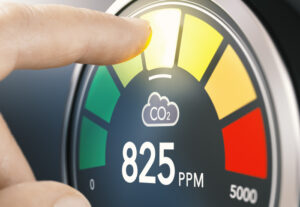
Investigating Factors Affecting Carbon Dioxide Levels in Classroom Environments
Objective: The objective of this experiment is to explore and understand the factors that influence carbon dioxide (CO2) levels in a classroom setting. Students will use a small CO2 sensor remotely connected to a PC with display software to collect and analyze data. The experiment will encourage critical thinking, data interpretation, and the application of […]

What Gases are part of TVOC
Total Volatile Organic Compounds (TVOCs) encompass a wide range of organic chemicals that can evaporate into the air at room temperature. While there are many different gases that can contribute to TVOC concentrations, some of the most common ones include : These are just a few examples of gases that can form TVOCs in indoor […]

Understanding TVOC: What Every Class 10 Student Should Know
Have you ever wondered about the air you breathe inside your home or classroom? It might seem clean and fresh, but there could be hidden dangers lurking in the air. One such danger is Total Volatile Organic Compounds (TVOC). In this blog, we’ll dive into what TVOC is, where it comes from, and why it’s […]
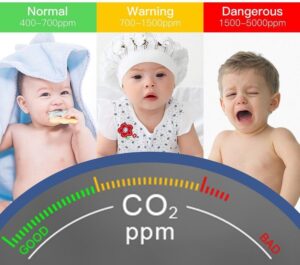
Carbon Dioxide – The silent Threat
In our homes and workplaces, we often focus on detecting and preventing obvious dangers like smoke and fire. However, there’s a silent threat that can be equally dangerous yet often goes unnoticed: carbon dioxide (CO2). Understanding the Health Risks associated with elevated CO2 levels, its contribution to “Global Warming”, and “The Role of CO2 Alarms” […]