
Carbon Dioxide – The silent Threat
 wildex
In our homes and workplaces, we often focus on detecting and preventing obvious dangers like smoke and fire. However, there’s a silent threat that can be equally dangerous yet often goes unnoticed: carbon dioxide (CO2).
Understanding the Health Risks associated with elevated CO2 levels, its contribution to “Global Warming”, and “The Role of CO2 Alarms” is crucial for safeguarding our health, and shall help in “prevention” of adverse health it can cause.
The Invisible Danger – CO2 in our Homes
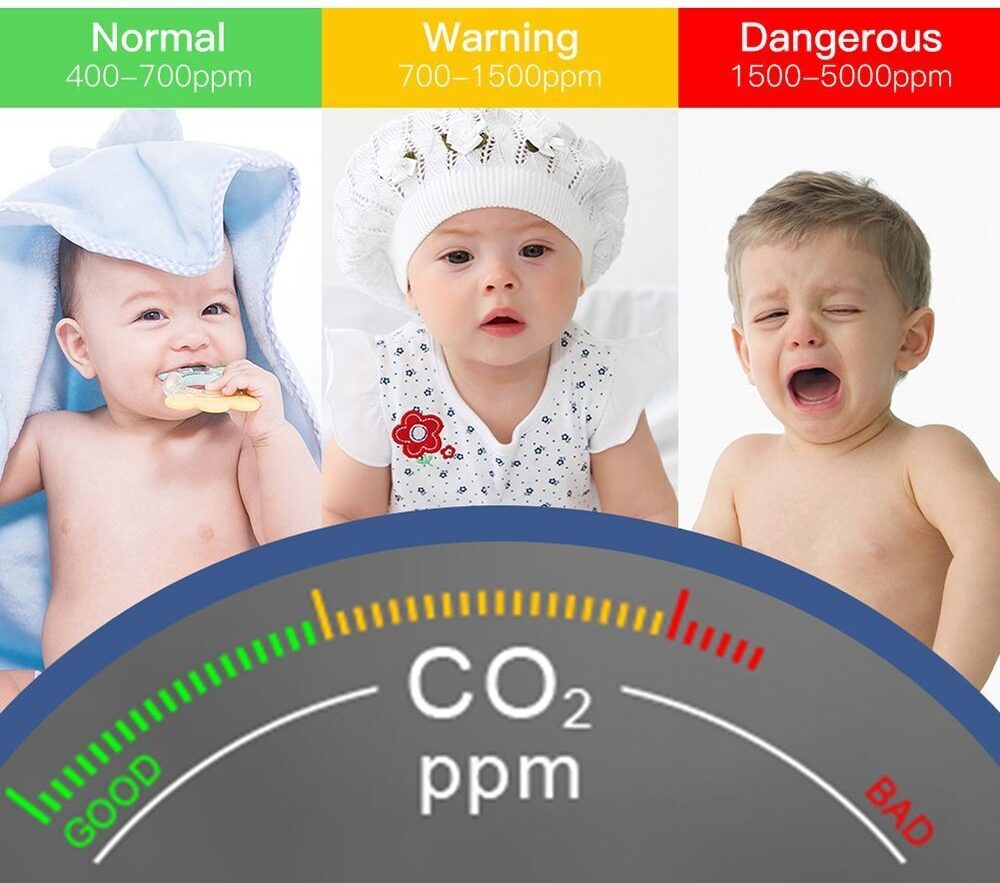
Carbon dioxide is a colorless, odorless gas that is naturally present in the air we breathe. However, when CO2 levels rise to high concentrations in enclosed spaces, it can pose significant health risks. Sources of elevated CO2 levels include poor ventilation, AC & Heater running continuously with windows closed
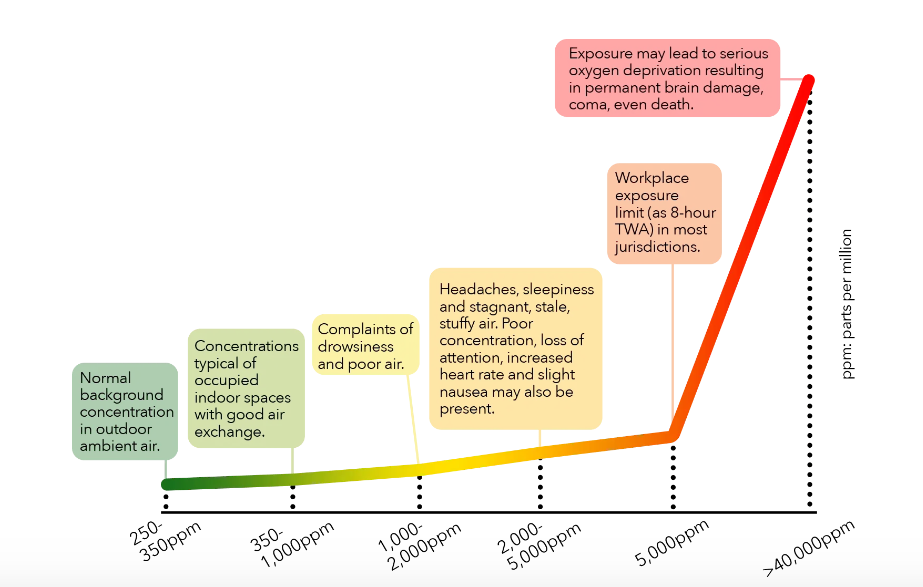
Health Risks
Global Warming
Contribution to Global Warming: In addition to its immediate health effects, CO2 plays a significant role in global warming and climate change. CO2 is a greenhouse gas that traps heat in the Earth’s atmosphere, contributing to the greenhouse effect. Human activities, such as burning fossil fuels for energy production, transportation, and industrial processes, release large amounts of CO2 into the atmosphere, leading to increased global temperatures and climate instability.
The Role of CO2 Alarms
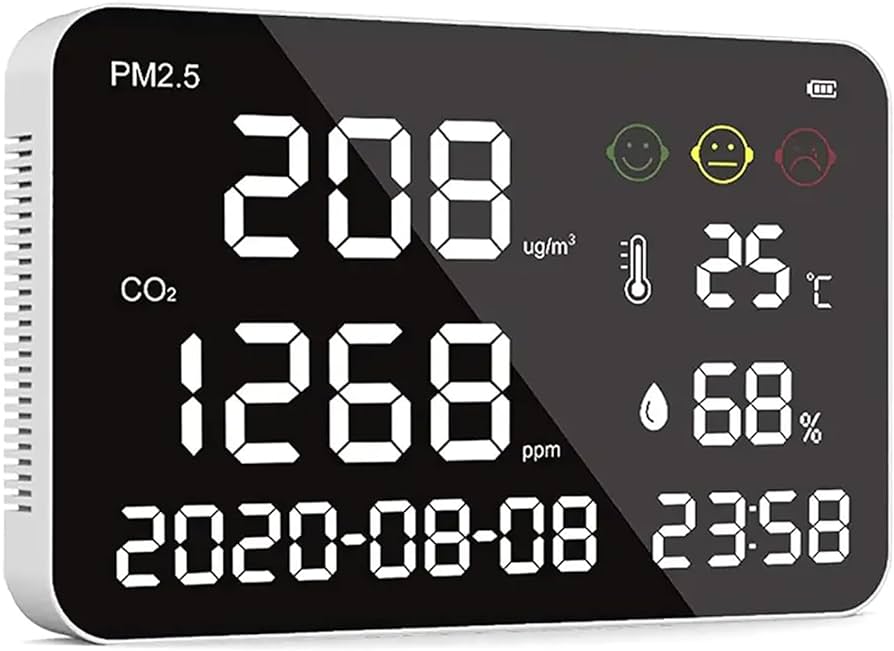
CO2 alarms play a critical role in detecting and alerting occupants to the presence of elevated CO2 levels in indoor environments. Similar to smoke alarms, CO2 alarms are designed to monitor air quality and provide early warning of potential health hazards. When CO2 levels exceed preset thresholds, these alarms emit audible and visual alerts, prompting occupants to take action to improve ventilation and address the source of CO2 buildup.
Prevention
While CO2 alarms are essential safety devices, prevention remains the best defense against CO2-related dangers and global warming.
Strategies for preventing elevated CO2 levels in indoor spaces include
- proper ventilation,
- regular maintenance of HVAC systems,
- monitoring occupancy levels,
- Educating occupants about the dangers of CO2 buildup and its contribution to climate change.
- CO2 Scrubbers
- CDR, Carbon dioxide removal
Conclusion
- Elevated CO2 levels pose significant health risks
- It contribute to global warming and climate change.
- Generating timely Alerts on Elevated CO2 levels, will help in corrective action and mitigate risks.
- By implementing preventive measures, we can create safer, healthier indoor environments.
We need to work towards a more sustainable future for our planet.
