CO – The silent killer Lurking in Your Home
 Shivi Jain
Introduction:
Carbon monoxide (CO) is often referred to as the “silent killer” for a good reason. It’s a colorless, odorless gas that can be extremely dangerous, and even deadly, if not detected promptly. In this blog post, we’ll explore what carbon monoxide is, where it comes from, the risks it poses, and most importantly, how you can protect yourself and your loved ones from its silent threat.
What is Carbon Monoxide?

Carbon monoxide is a toxic gas produced by the incomplete combustion of fossil fuels such as natural gas, oil, coal, and wood. It’s often found in homes and other enclosed spaces where these fuels are used for heating, cooking, or powering appliances. Carbon monoxide is odorless and invisible, making it virtually undetectable without the use of special detection devices.
Common Sources of Carbon Monoxide:
- Gas-fired appliances such as furnaces, water heaters, stoves, and dryers.
- Fireplaces and wood-burning stoves.
- Vehicle exhaust from attached garages.
- Generators, grills, and other gasoline-powered equipment used indoors.
- Blocked or improperly vented chimneys and flues.
The Risks of Carbon Monoxide:
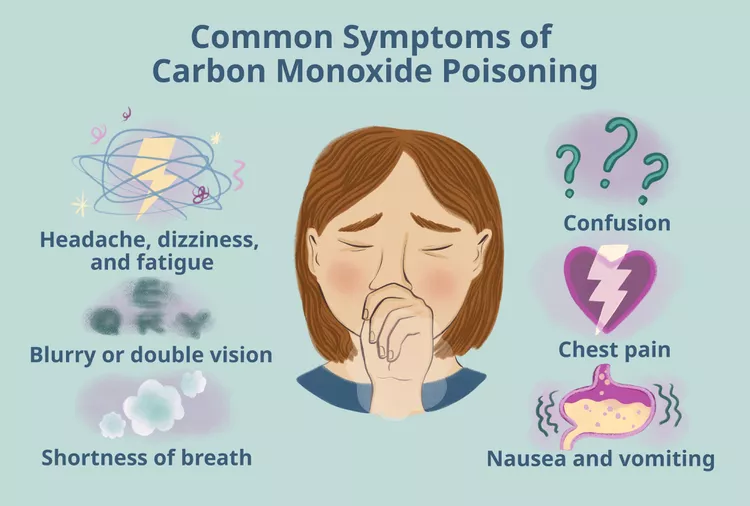
Carbon monoxide is dangerous because it interferes with the body’s ability to transport oxygen to vital organs and tissues. When inhaled, CO binds to hemoglobin in the bloodstream, displacing oxygen and forming carboxyhemoglobin, which reduces the blood’s oxygen-carrying capacity. This can lead to symptoms ranging from mild headache and dizziness to nausea, confusion, and even death in severe cases. The most common symptoms of CO poisoning are headache, dizziness, weakness, upset stomach, vomiting, chest pain, and confusion. CO symptoms are often described as “flu-like.” If you breathe in a lot of CO it can make you pass out or kill you. People who are sleeping or drunk can die from CO poisoning before they have symptoms.
Protecting Yourself from Carbon Monoxide:
- Install Carbon Monoxide Detectors: Place CO detectors on every level of your home and near sleeping areas. Test them regularly and replace the batteries at least once a year
- Maintain Appliances: Have your heating systems, water heaters, and other fuel-burning appliances inspected and serviced annually by qualified technicians.
- Ensure Proper Ventilation: Keep vents and flues clear of obstructions, and never block or seal exhaust vents.
- Never Use Gasoline-Powered Equipment Indoors: This includes generators, grills, and power tools. Always operate them in well-ventilated outdoor areas.
- Be Alert to Symptoms: Familiarize yourself with the signs of carbon monoxide poisoning and seek medical attention immediately if you or others experience symptoms like headache, dizziness, nausea, or confusion.
Conclusion:

Carbon monoxide is a deadly threat that can silently invade your home and put your family at risk. By understanding the dangers of CO and taking proactive steps to prevent exposure, you can protect yourself and your loved ones from the silent killer lurking in your midst. Don’t wait until it’s too late – safeguard your home and prioritize your family’s safety today.