Intoxicating Insights: Understanding Alcohols
 Punya Jain
Brief Introduction

Alcohol, mainly referred to as Ethanol. Is a type of drug found in drinks like beer, wine, and hard liquor. These drinks have various kinds of alcohol in them but mainly they contain Ethyl Alcohol (Ethanol). A lot of people drink these types of alcohol.
When you drink alcohol, your body deals with a troublemaker called acetaldehyde. But there are different types of alcohol. Some cause more trouble, while others are less harmful. There are secondary and tertiary alcohols too. Primary alcohols are the most harmful and on the other hand Tertiary alcohols are the least harmful because they don’t turn into certain harmful substances in the body.
Upsides of alcohols
- Consumption: Alcoholic beverages (beer, wine, spirits) are enjoyed socially.
- Medical: Alcohol treats poisoning by competing with toxins, reducing harm.
- Self-medication: Some use alcohol to manage anxiety or pain, but excessive reliance worsens issues.
- Industrial: Alcohols serve as solvents in pharmaceuticals, cosmetics, and cleaning.
- Fuel: Ethanol, a biofuel, reduces emissions when mixed with gasoline.
- Chemical Synthesis: Alcohols are crucial for making chemicals and drugs.
- Preservation: Ethanol preserves in hand sanitizers and mouthwashes.
- Antiseptics: Some alcohols disinfect skin and surfaces.
- Perfumes and Flavors: Alcohols carry scents and flavors in various products.

Downsides of alcohol
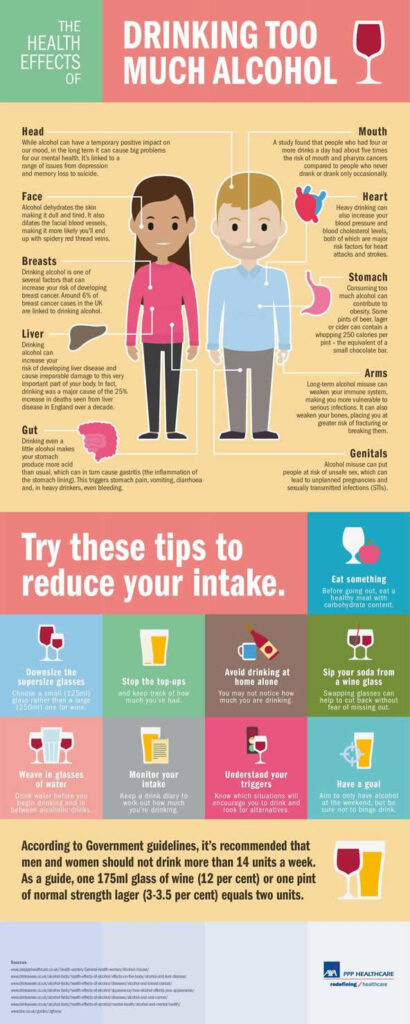
- Health Risks: Excessive alcohol intake can cause liver disease, heart problems, cancer, and mental health issues like depression and anxiety.
- Addiction: Alcohol is addictive, leading to dependence and alcoholism, disrupting personal, social, and professional life.
- Impaired Judgment: Alcohol diminishes cognitive function, leading to risky behaviors such as drunk driving and accidents.
- Mental Health Issues: Alcohol abuse is linked to depression, anxiety, and increased suicide risk, exacerbating these problems over time.
- Financial Burden: High alcohol consumption can strain finances, causing economic instability for individuals and families.
- Legal Issues: DUIs and public intoxication can lead to fines, license suspension, and imprisonment.
- Risk During Pregnancy: Alcohol during pregnancy can cause fetal alcohol spectrum disorders, affecting children’s physical and cognitive development.
- Criminal Behavior: Some criminals use alcohol to commit acts like sexual assault or theft, though using it as an excuse isn’t acceptable.

Be Free from Alcohol!!
“In health’s embrace, let sobriety reign, Clear minds, bodies free from pain.
Choose wellness, choose to abstain, in sobriety, life’s joys sustain.”
Alcohol: Exploring Concentrations and Their Impact
* mM(Millimolar) Refers to Concentration of Alcohol.
The alcohol in drinks typically range from 1 to 50 mM. At low concentrations, like 1 to 2 mM, it usually doesn’t affect people much, except those who aren’t used to drinking.
Slightly higher levels, around 5 to 10 mM, are linked to casual social drinking and may cause relaxation.
If the concentration rises to 15 to 20 mM, it can bring on sleepiness and lack of coordination, making it unsafe to drive. In the U.S, the maximum legal limit for driving is approximately 17 to 22 mM.
When consumption reaches 20 to 50 mM, it can result in severe drunkenness and even unconsciousness.
Ethanol levels above 50 mM are uncommon for most individuals, but alcoholics, due to their tolerance, might reach them. However, levels exceeding 100 mM could be fatal for anyone except alcoholics.
Alcohol Measurement: Deciphering Breath and Blood
Breath testing and Blood testing are well-known methods for measuring alcohol levels in the body, vital in law enforcement, workplace safety, and medical contexts. Breath testing is done by police officers to check if someone is drunk or not.
Breath Testing:
Breath testing estimates alcohol concentration by analyzing breath, commonly used in law enforcement with devices like Breathalyzers. Measurement unit: micrograms of alcohol per liter of breath (mcg/L). It’s quick and non-invasive but offers only an estimation of blood alcohol concentration (BAC).
Blood Testing:
Blood testing, more accurate and reliable, involves analyzing blood samples in labs. Measurement unit: milligrams of alcohol per 100 milliliters of blood (mg/100ml). Common in legal, medical, and workplace settings, though it requires professional blood drawing and is more invasive.
Digging Deep in Alcohol Measurements (Blood)

Alcohol concentration is generally measured by BAC (Blood Alcohol Concentration) levels. This is a blood testing method.
0.02%: You’ll start feeling relaxed and your mood might change a bit. You could feel warmer than usual and might not make the best decisions.
0.05%: Your behavior might become more exaggerated. You could speak louder and move your body more, but your ability to focus your eyes might decline, making your vision blurry.
0.08%: This is the legal limit for driving in most places. You’ll have trouble with coordination, like balancing and speaking clearly. Your reaction times will slow down, and you might not hear things as well.
0.10%: You’ll find it harder to control your actions. Your speech might be slurred, and your thinking will be slower. It’ll be tough to coordinate your arms and legs.
0.15%: Your balance will be seriously affected, making walking and talking difficult. You might even fall down and get hurt.
0.20-0.29%: You’ll likely feel confused and disoriented. You might not feel pain as you normally would, which could be dangerous if you get hurt. Nausea, vomiting, and blackouts could happen.
0.30-0.39%: You might lose consciousness, and your heart rate could increase dangerously. Breathing might become irregular, and you might lose control of your bladder.
0.40% and over: This could lead to a coma or even sudden death because your heart or breathing might stop. It’s considered a lethal level of alcohol in the bloodstream.
How does Breathalyzer work?
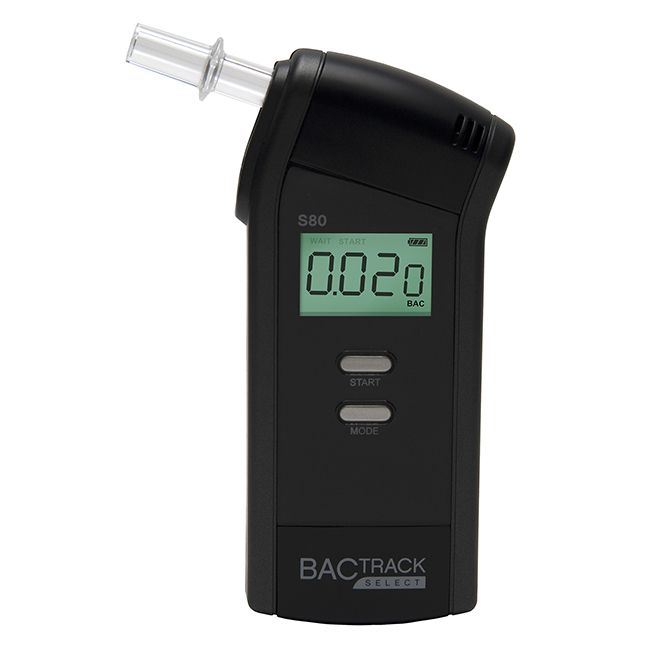
Breathalyzer: A breathalyzer is a device that measures alcohol levels in a person’s breath to determine intoxication. It works by analyzing a breath sample for alcohol vapor using sensors, providing a numerical reading of blood alcohol concentration (BAC).
The individual blows into the breathalyzer device, and their breath is captured in a chamber or tube.
Within the breathalyzer, the breath sample comes into contact with a sensor or sensors. These sensors are designed to detect the presence of alcohol vapor in the breath.
If alcohol is present in the breath, it interacts with the sensor material, causing a change in its electrical conductivity or other properties. This change is often measured as a change in resistance in the case of MQ sensors.
The device processes the signal from the sensor and converts it into a digital readout, typically displaying the blood alcohol concentration (BAC) level.
The BAC reading is compared to legal limits for intoxication, which vary by jurisdiction. In many places, a BAC of 0.08% or higher is considered legally intoxicated for drivers.
The breathalyzer displays the BAC reading to the user, indicating whether the individual is over the legal limit for intoxication.